Sustainability is Redefining Global Packaging Standards
Sustainability has become one of the most transformative forces shaping the global packaging industry. As environmental concerns, regulatory frameworks, and consumer expectations evolve, businesses across FMCG, food, pharmaceutical, and industrial sectors are actively shifting toward sustainable packaging solutions.
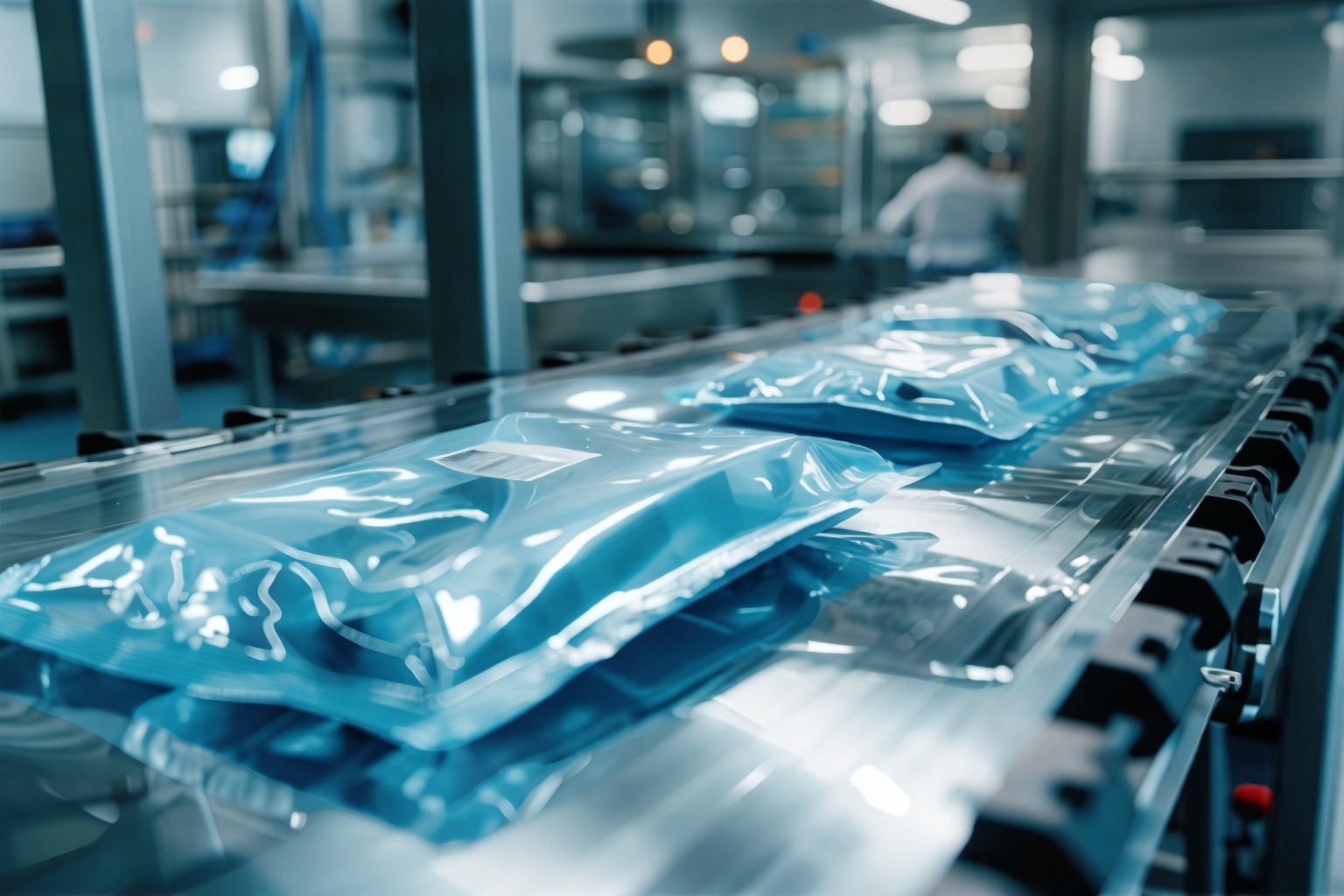
Flexible packaging, known for its lightweight structure, resource efficiency, and product protection capabilities, is leading this transformation. Today, manufacturers are developing advanced eco-friendly materials, recyclable laminates, and low-impact production technologies that reduce environmental footprint while maintaining product performance.
Asian Flexi Pack, a leading flexible packaging manufacturer based in Gujarat, India, supports global brands with sustainable, high-performance packaging solutions designed to meet international environmental standards while ensuring product safety, shelf life, and branding excellence.
Why Sustainability Matters in Modern Packaging
Sustainability in packaging is no longer limited to environmental responsibility—it has become a critical business strategy influencing brand perception, regulatory compliance, and global market acceptance.
Key drivers accelerating sustainable packaging adoption include:
- Increasing global plastic waste regulations
- Rising consumer demand for eco-friendly products
- Retail and export compliance requirements
- Corporate sustainability commitments
- Cost efficiency through material optimization
Brands investing in sustainable packaging not only reduce environmental impact but also strengthen brand credibility and customer loyalty in competitive markets.
Key Trends Driving Sustainable Flexible Packaging
1. Rise of Mono-Material Packaging Solutions
Traditional flexible packaging often uses multi-layer laminates combining different materials, which can be difficult to recycle. The industry is now shifting toward mono-material structures that use a single polymer family, such as polyethylene or polypropylene.
Mono-material packaging offers:
- Improved recyclability
- Simplified waste segregation
- Compliance with global recycling guidelines
- Reduced environmental footprint
Asian Flexi Pack develops advanced mono-material flexible packaging structures designed to balance recyclability with barrier protection and product safety.
2. Development of Recyclable and Circular Packaging Models
Circular economy principles are becoming central to packaging innovation. Manufacturers are designing packaging that can be recycled, reused, or reprocessed into new materials.
Recyclable flexible packaging is gaining momentum due to:
- Reduced landfill waste
- Support for circular material reuse
- Compliance with international sustainability policies
- Growing acceptance among environmentally conscious consumers
Asian Flexi Pack continuously invests in recyclable laminate structures and eco-friendly packaging formats to support global sustainability initiatives.
3. Lightweight Packaging for Reduced Carbon Footprint
Flexible packaging already offers significant environmental advantages compared to rigid packaging formats. Lightweight packaging reduces raw material usage, transportation energy, and overall carbon emissions.
Benefits of lightweight flexible packaging include:
- Lower fuel consumption during logistics
- Reduced storage space requirements
- Decreased packaging waste generation
- Improved cost efficiency for global supply chains
Asian Flexi Pack focuses on material optimization and advanced lamination technology to produce lightweight yet high-performance packaging solutions.
4. Bio-Based and Compostable Packaging Materials
The industry is witnessing growing interest in packaging materials derived from renewable and biodegradable sources. Bio-based films and compostable laminates are being developed to reduce dependence on fossil-based plastics.
Emerging sustainable materials include:
- Plant-based polymer films
- Compostable laminate structures
- Biodegradable barrier coatings
- Renewable material blends
While bio-based packaging adoption continues to evolve, Asian Flexi Pack actively explores innovative sustainable materials aligned with global environmental standards.
5. High-Barrier Sustainable Packaging Technologies
One of the biggest challenges in sustainable packaging is maintaining product protection while using recyclable or eco-friendly materials. Advanced barrier technologies now allow sustainable packaging to deliver strong performance.
High-barrier sustainable packaging helps:
- Extend product shelf life
- Protect against moisture and oxygen
- Maintain product freshness and quality
- Reduce food and product waste
Asian Flexi Pack integrates advanced barrier coatings and optimized laminate engineering to deliver sustainable packaging without compromising functionality.
6. Eco-Friendly Printing and Manufacturing Practices
Sustainability extends beyond materials to include environmentally responsible production processes. Modern packaging manufacturers are adopting green printing and low-impact manufacturing technologies.
Key sustainable manufacturing practices include:
- Reduced solvent usage in printing
- Energy-efficient lamination processes
- Waste reduction and recycling systems
- Responsible raw material sourcing
Asian Flexi Pack incorporates sustainable production practices to reduce environmental impact while maintaining consistent product quality.
7. Smart and Digital Packaging Supporting Sustainability
Digital technologies are transforming packaging into interactive and traceable solutions. Smart packaging features such as QR codes, track-and-trace systems, and digital labeling improve supply chain transparency and reduce overproduction.
Smart packaging benefits include:
- Improved product traceability
- Enhanced consumer engagement
- Reduced labeling material waste
- Better inventory and logistics management
Asian Flexi Pack supports integration of advanced printing and digital packaging features for modern global brands.
How Sustainable Flexible Packaging Supports Global Brands
Strengthens Brand Reputation
Eco-friendly packaging demonstrates corporate responsibility and builds trust with environmentally conscious consumers.
Enhances Export Compliance
Many international markets now require sustainable packaging standards, making eco-friendly solutions essential for global expansion.
Improves Supply Chain Efficiency
Optimized packaging reduces material usage, transportation costs, and storage requirements.
Supports Long-Term Business Growth
Sustainability initiatives help brands future-proof operations and align with evolving global environmental regulations.
Asian Flexi Pack: Driving Sustainable Packaging Innovation
Asian Flexi Pack, based in Gujarat, India, is committed to delivering sustainable flexible packaging solutions for global B2B markets. The company combines advanced manufacturing infrastructure, strict quality control, and continuous R&D to develop environmentally responsible packaging formats.
Sustainability Strengths of Asian Flexi Pack
- Development of recyclable and mono-material packaging
- Advanced multilayer lamination optimization
- High-barrier sustainable packaging solutions
- Custom eco-friendly packaging design support
- International export-ready packaging capabilities
- Continuous research and material innovation
Asian Flexi Pack works closely with global brands to design packaging solutions that meet sustainability goals while maintaining product performance and brand appeal.
Future Outlook: The Next Phase of Sustainable Packaging
The future of flexible packaging will be shaped by rapid technological advancement, stricter environmental regulations, and evolving consumer awareness. Key future developments include:
- Fully recyclable multi-layer packaging
- Increased adoption of biodegradable packaging materials
- Carbon-neutral manufacturing processes
- Advanced smart packaging integration
- Greater focus on packaging waste reduction
Companies that adopt these innovations early will gain strong competitive advantages and global market acceptance.
Conclusion
Sustainable flexible packaging is transforming the packaging industry by combining environmental responsibility with advanced product protection and brand value. As global regulations and consumer awareness continue to evolve, businesses must embrace sustainable packaging to remain competitive and future ready.
Asian Flexi Pack, Gujarat, supports this transition by offering innovative, high-performance, and environmentally responsible flexible packaging solutions tailored for global B2B markets.
By integrating sustainability with packaging innovation, brands can enhance customer trust, reduce environmental impact, and achieve long-term growth.